profile sketch · usually online
FOCUS
RE / RT
reverse engineering and red team
STATUS
Available for serious work
BeyondSoft Singapore and private security work
profile sketch · last seen debugging
Wisnu Rafi
Systems Software Engineer
BeyondSoft Singapore
Offensive Security Engineer
Private clients
Reverse engineering and red team
FIELD NOTES
I am the kind of engineer who gets curious when something only breaks for one user, on one machine, at the worst possible time. I like messy problems because they force the real story out of the system.
HOW I WORK[ practical ]
- I trust a bug after I can reproduce it twice.
- A finding is not finished until the fix is obvious.
- No source code is still fine. Behavior leaves clues.
Reading crashes
I start with the symptom, then work backward through state, input, memory, and timing until the weird branch finally shows itself.
Proving impact
I do not stop at scary wording. If the risk is real, I want a clean proof that is clear, repeatable, and safe to explain.
Reading binaries
When source is missing or not telling the full truth, I use disassembly, debugger state, traces, and behavior to rebuild the picture.
Desktop weirdness
UI state, native calls, permissions, registry, and latency love blaming each other. I separate the noise from the actual bug.
Reading traffic
When the bug lives between two systems, I look at packets, protocol assumptions, and trust boundaries until the gap is visible.
Writing the fix path
I turn messy evidence into something useful for the next person. Clear repro, real impact, priority, and a practical direction to patch.
The one machine problem
A desktop app crashed for exactly one user while every test machine looked fine.
The dump pointed to an access violation that only showed up with a specific locale and timing window.
I narrowed it down to init order, wrote a repro, and made the fix path small enough to act on.
> One user, one machine, clean everywhere else.
The auth check that was not enough
The endpoint had an auth check, so it looked safe at first glance.
A replayed request exposed a branch after the check that still trusted user controlled state.
I proved the impact end to end, documented the boundary issue, and made the priority obvious.
> The check existed. The trust model did not.
WORK LOG
Systems Software Engineer
BeyondSoft Singapore
Offensive Security Engineer
Private clients
Independent Penetration Tester
Web and network
Game Security Research
Client integrity and RE
Reverse engineering
The tools I reach for when source is missing or the behavior feels suspicious.
Building
Languages I use when the thing needs to actually ship.
Editors
Comfortable workspaces for low level code, desktop apps, and quick experiments.
Systems
The environments I debug, test, break, and fix things in.
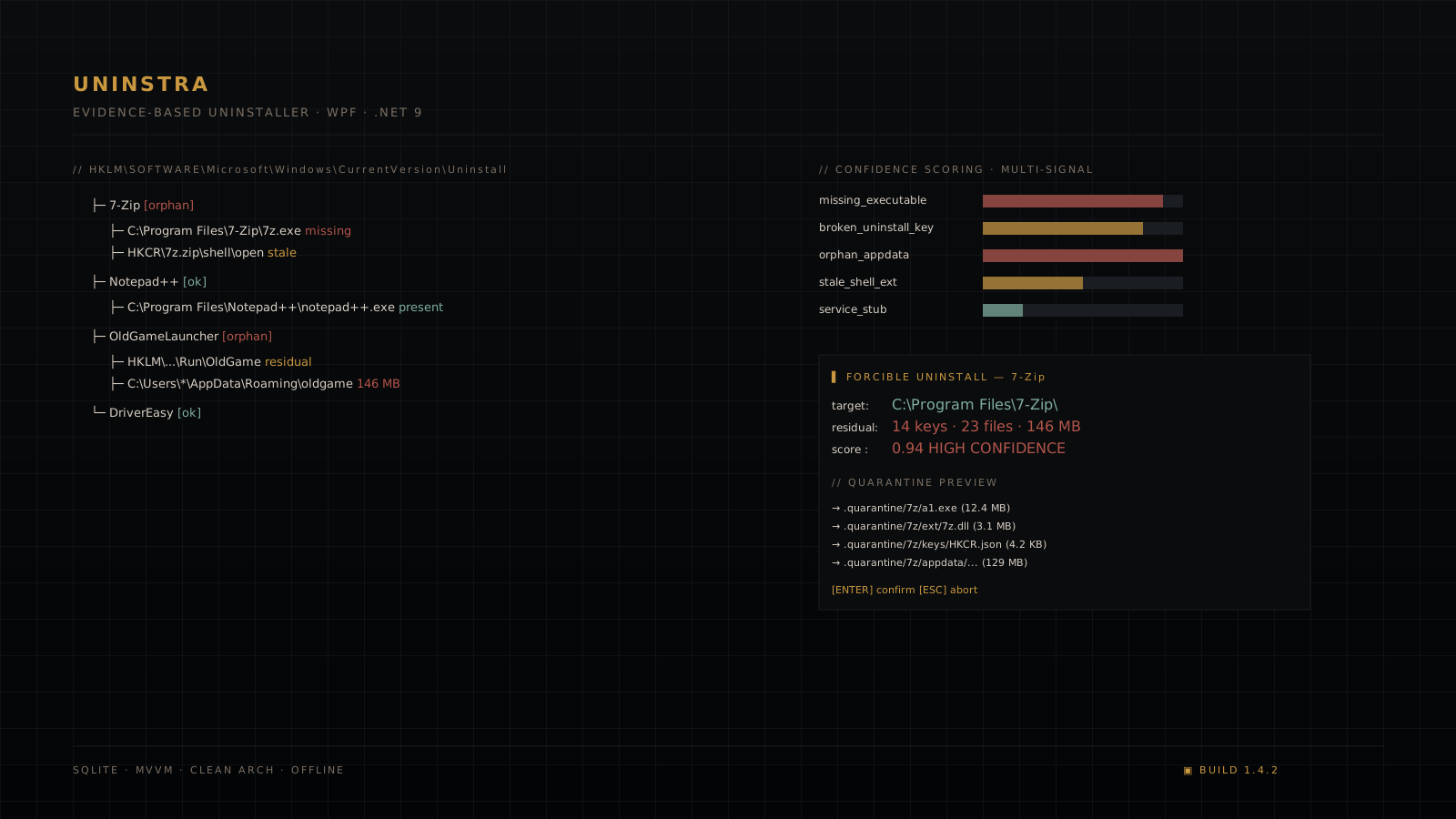
Uninstra
Open-source deep uninstaller & cleanup tool for Windows. Evidence-based leftover detection with multi-signal confidence scoring — orphaned registry keys, stale shell extensions, residual AppData. Offline-first, zero telemetry.
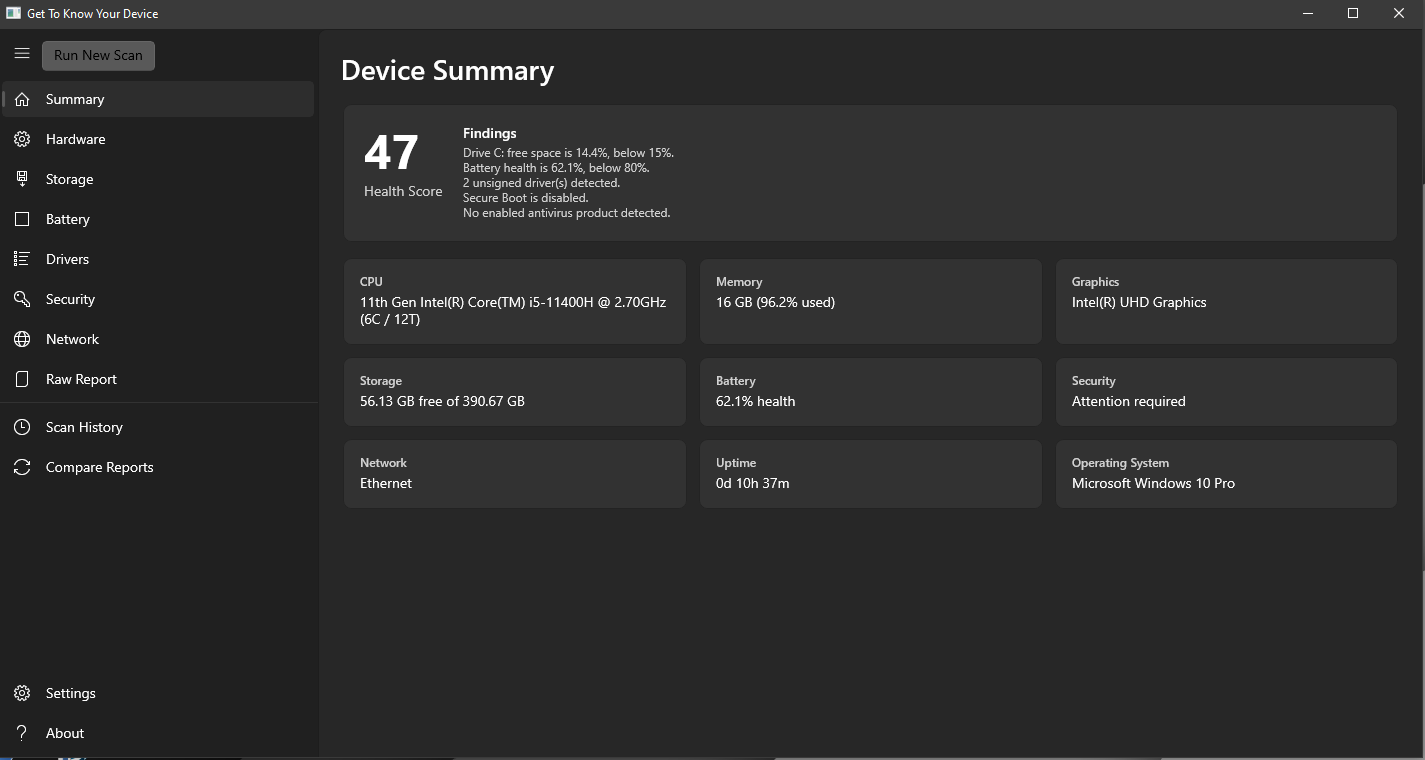
GTKYD App
Local-first Windows device inspector — hardware, storage, battery, drivers, security, network. Health scoring with explainable rules, scan history, snapshot diff, JSON/CSV/PDF export.
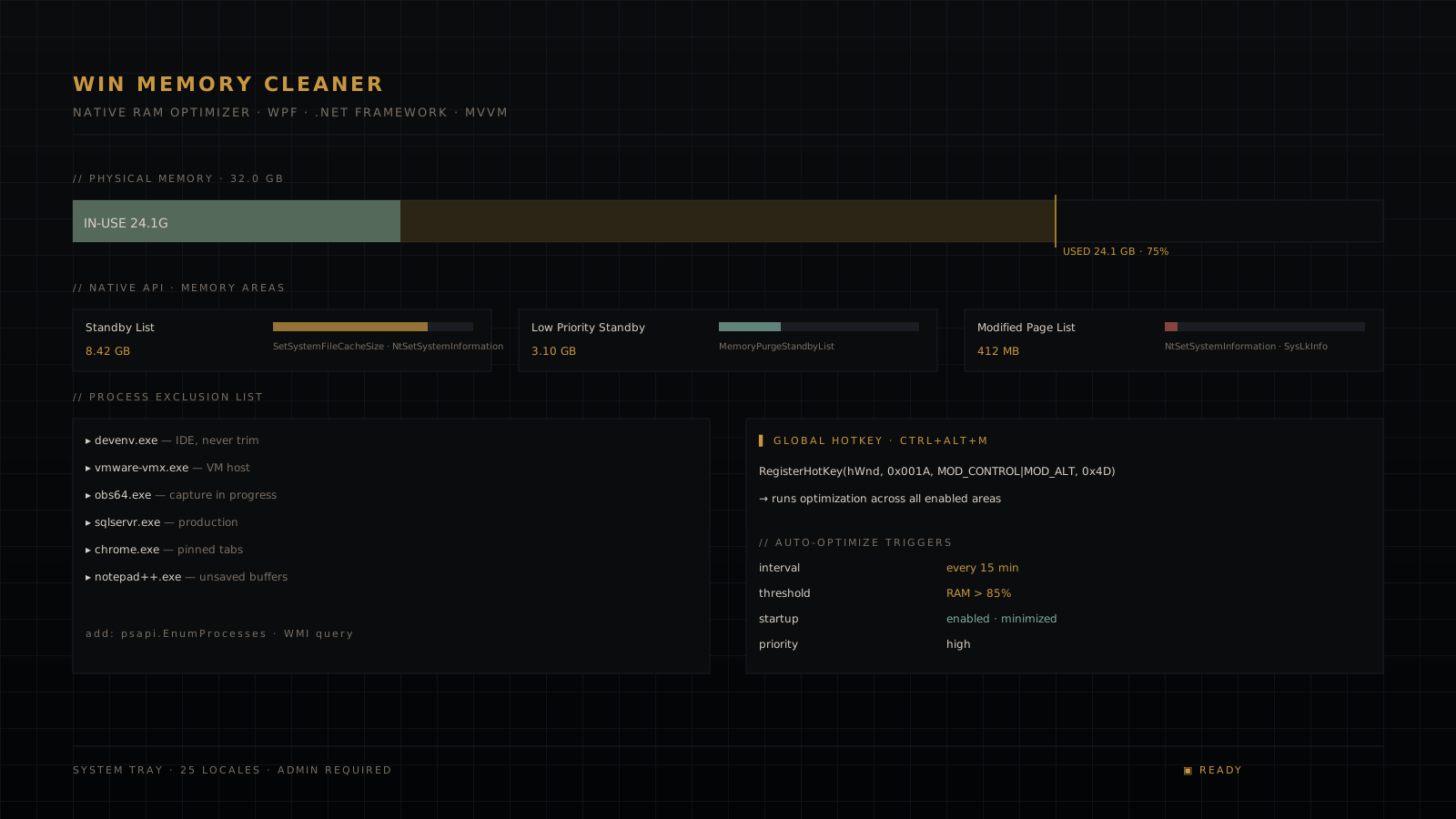
Win Memory Cleaner
Lightweight WPF RAM optimizer that triggers native Windows API memory cleanup routines — Standby List, Modified Page List, Working Set. System tray resident, global hotkey, auto-threshold, 25+ locales.
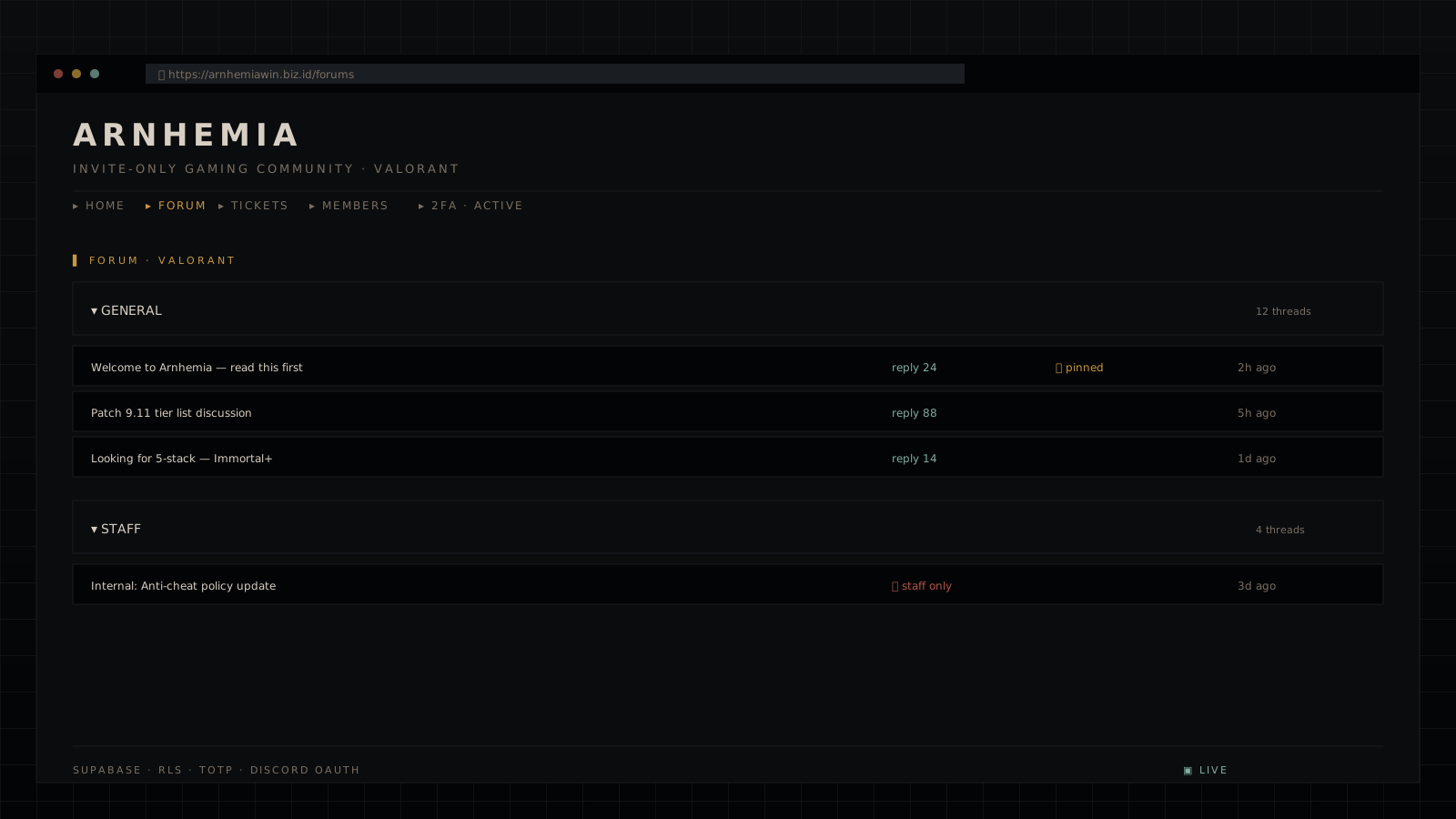
Arnhemia Community
Invite-only Valorant community platform — forum with categories/threads/reactions/bookmarks, ticketing system, role hierarchy, TOTP 2FA, Discord OAuth. Server-enforced RLS on every table.
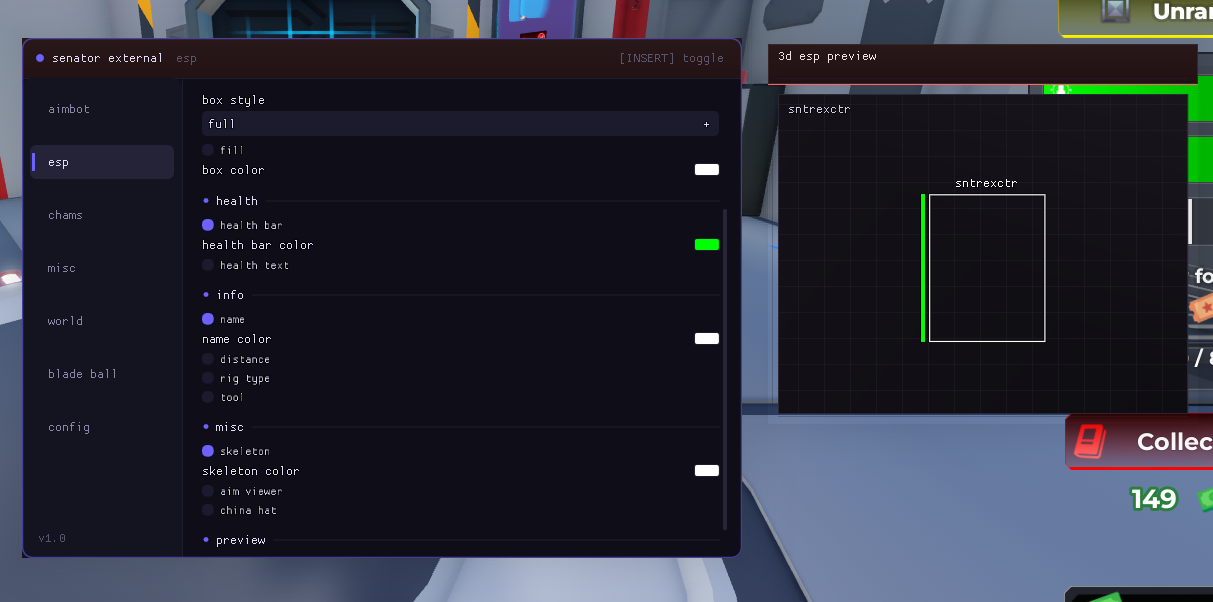
Senator — Roblox External
User-mode external for Roblox game-security research. ESP with skeleton/box/aim-viewer, aimbot with per-axis prediction & hit-chance humanization, mesh chams via D3D11 reading the LRU mesh cache. Educational only.

WuWa Private Server
Reverse-engineering oriented re-implementation of the Wuthering Waves game server. KCP gateway with custom packet handling, HTTP SDK server, protobuf protocol catalog, traffic analyzer for inspecting captured protocol dumps.
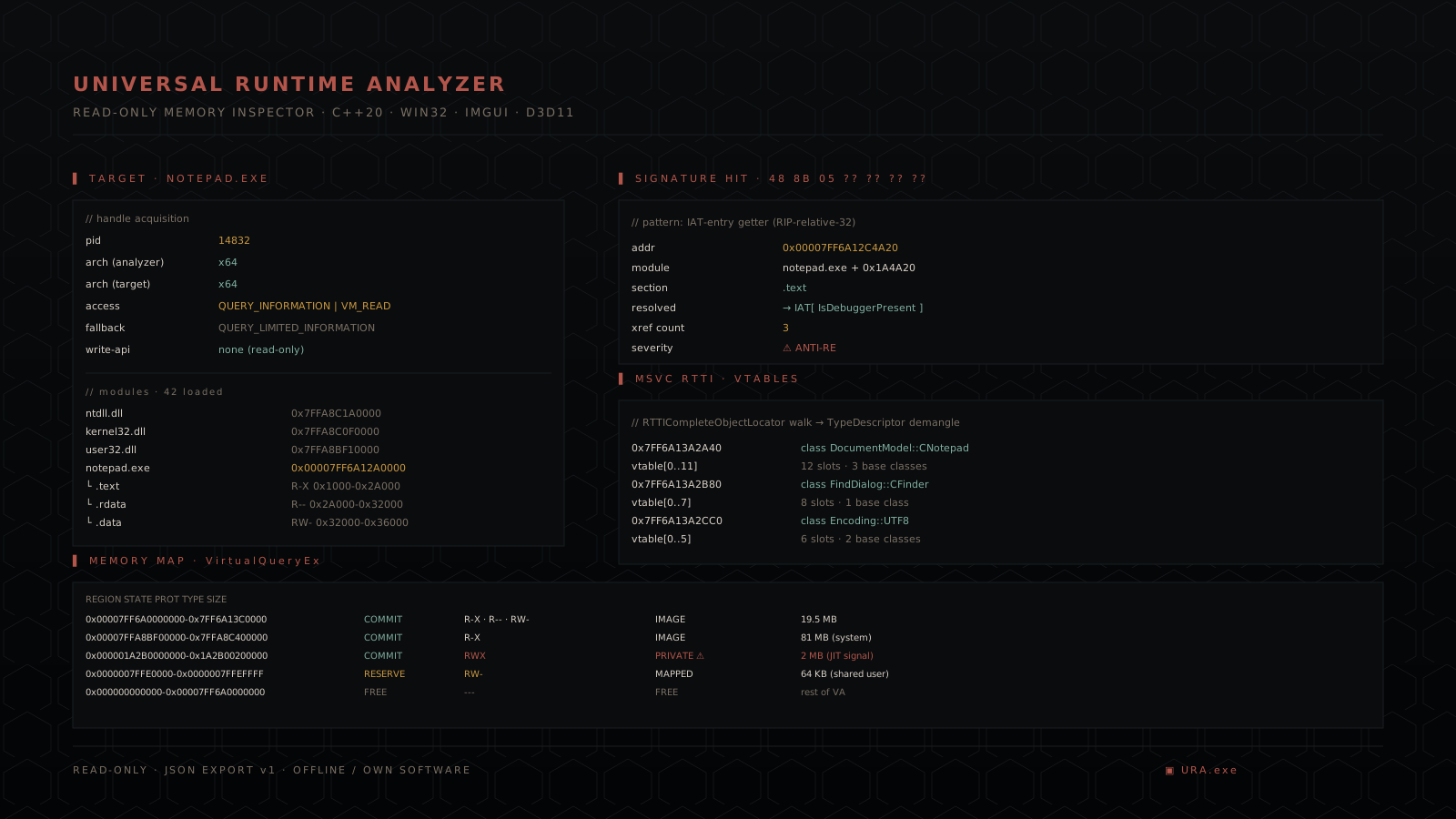
Universal Runtime Analyzer
Read-only Windows memory analysis framework. Process attach with graceful QUERY_LIMITED_INFORMATION fallback, PE parser, IDA-style pattern scanner, MSVC RTTI walk & vtable inference, VirtualQueryEx memory map, versioned JSON export.
If you have a weird bug, a security question, or a serious build idea, send it over.
Helpful context: what happened, where it runs, and what you already tried.
RESPONSE
I usually reply faster when the message is specific. Screenshots, logs, repro steps, or a short context dump help a lot.
status: listening
MESSAGE